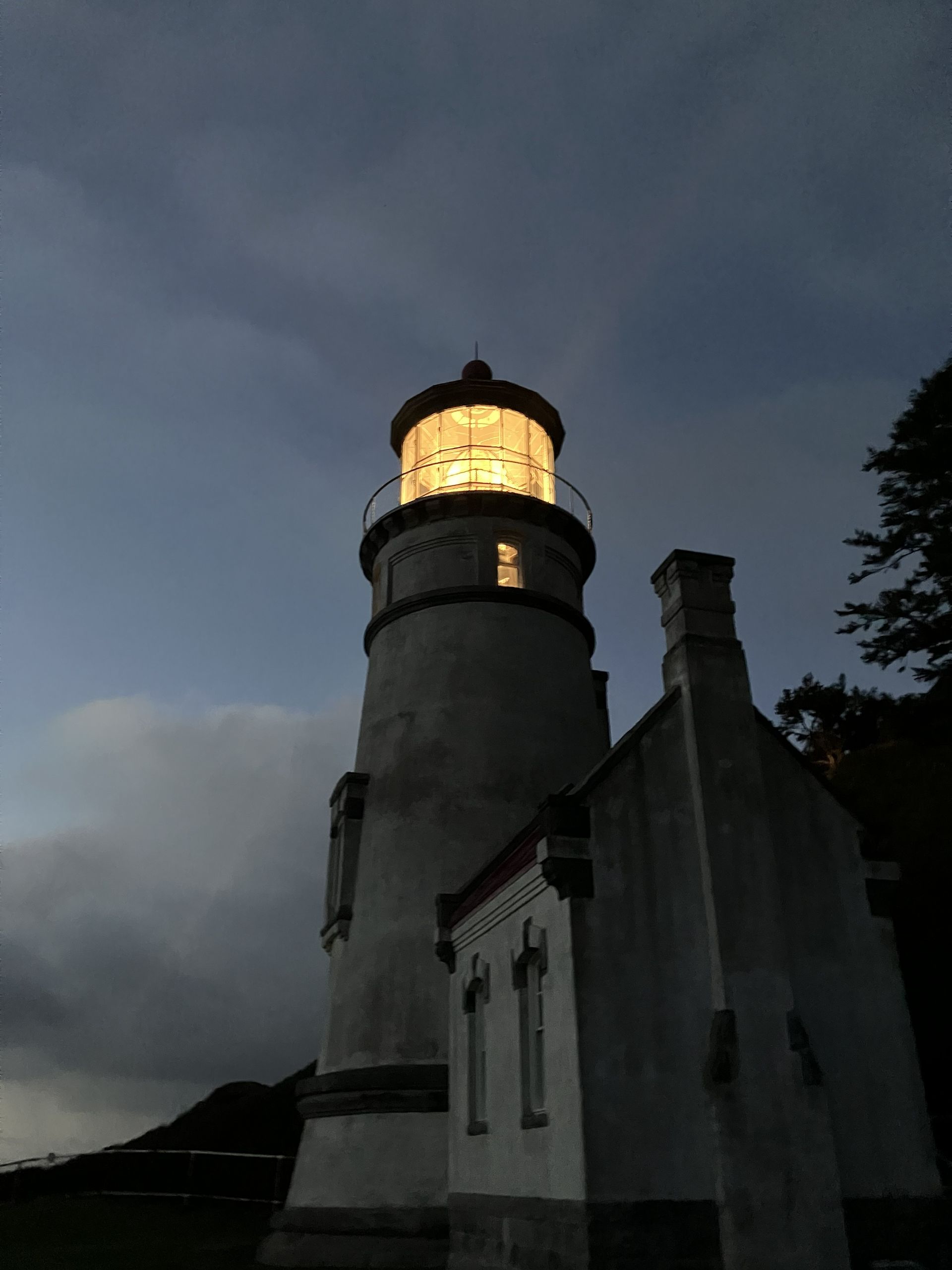
Heceta Head During WWII
Written by Mary Nulty, historian of Heceta Head Lightstation
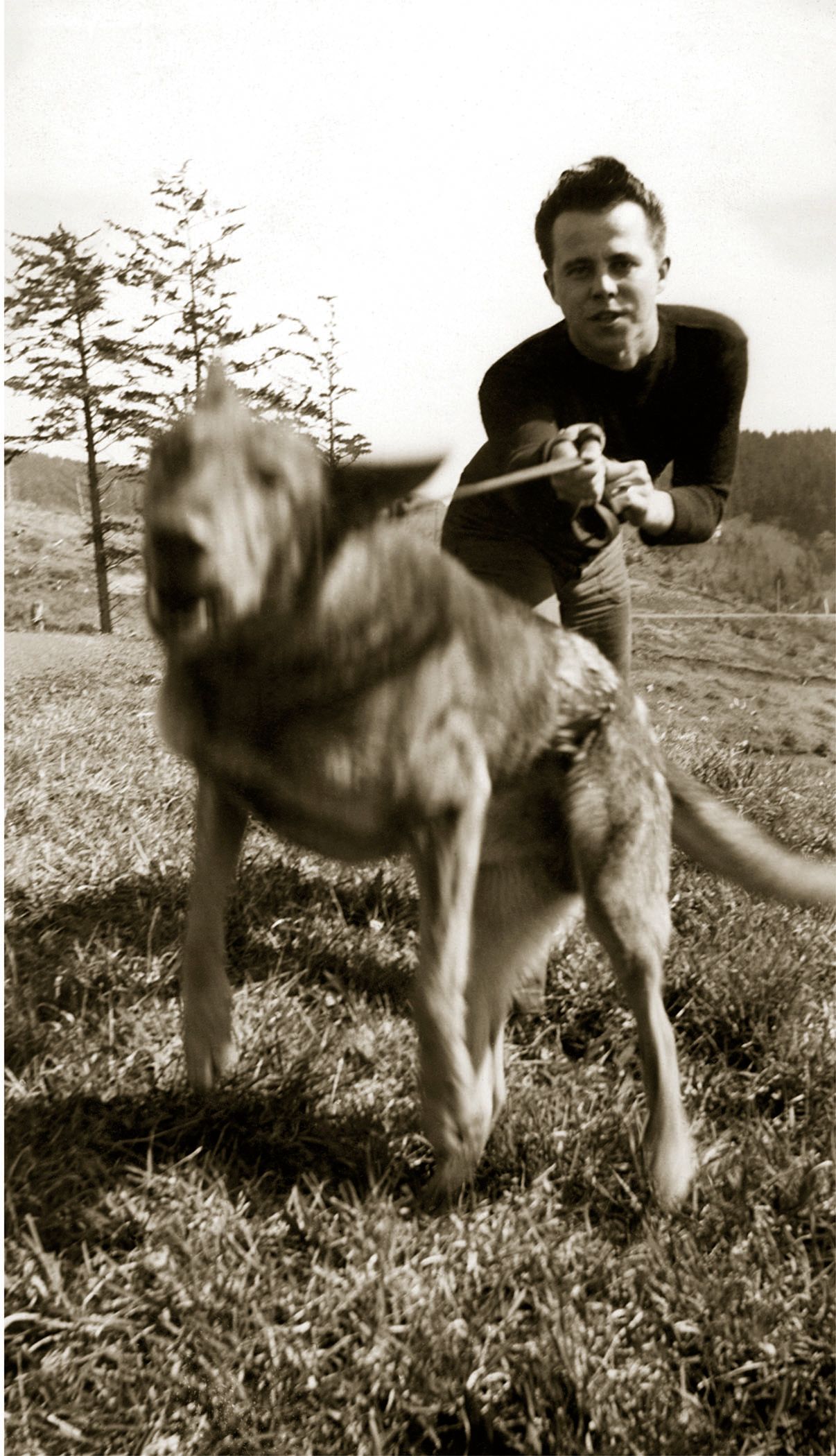
The attack on Pearl Harbor (Dec. 7, 1941) heightened the West Coast's alert for an invasion. Coast Guard Beach Patrol troops arrived in early 1943. Their job was to patrol the beaches with guard dogs from north of Florence and to Yachats. These dogs weren't "military-born." They were donated by American families through a program called Dogs for Defense. Imagine a family pet from a farm in the Willamette Valley or a suburban home in Portland suddenly being shipped to Heceta Head to become a silent, lethal sentry.
To keep the dogs on edge, men at the station who were not the handlers would "agitate" the dogs through the fence. They would taunt or startle them to ensure the dogs remained suspicious of all strangers.
Unlike police dogs today that bark to hold a suspect, Heceta's beach patrol dogs were often trained for silent alerts. In the foggy "dead zones" of the Oregon coast, a bark would give away the patrol's position to an enemy landing party. Instead, the dog would stiffen, raise its hackles, or nudge the handler to signal a presence.
Because these dogs were considered elite "equipment," they were treated with high priority. The Coast Guard built a specific cooking shack near the kennels solely to prepare the dogs' meals. While the 70 men ate in the mess hall (where the head keeper's house used to be), a dedicated trainer spent his days in this shack prepping specialized diets to keep the dogs in peak physical condition for the brutal 6-hour beach shifts.
Training also included getting the dogs used to their canvas booties. The jagged basalt rocks and barnacles around Heceta Head could shred a dog's paws in a single shift. The trainers had to drill the dogs to walk, run, and climb in this protective footwear without trying to chew it off.
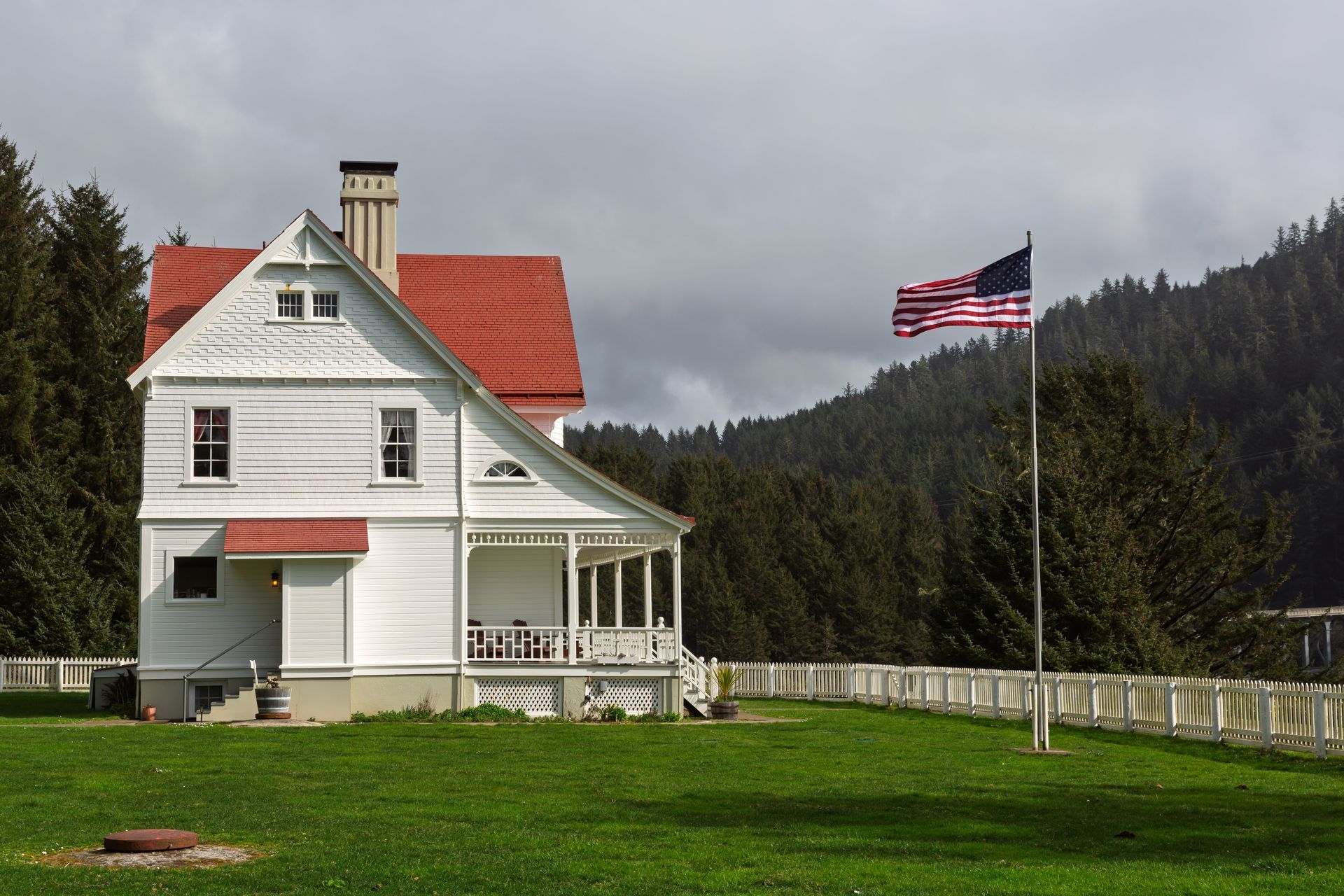
Two barracks were built where the head keeper's house once stood, providing sleeping and dining quarters for 70 men. Head Keeper Cap and Ma Herman lived in the duplex's west side, while officers resided in the east side.
The yard remains empty, serving as a silent reminder of the two different homes that once occupied that spot.
Latest News